


Winterize a Porsche 911 or Cayenne in North Texas
Winterize your Porsche 911 or Cayenne in North Texas. Get tips on tire pressure, lithium battery care, and storage from Autobahn Porsche Fort Worth.
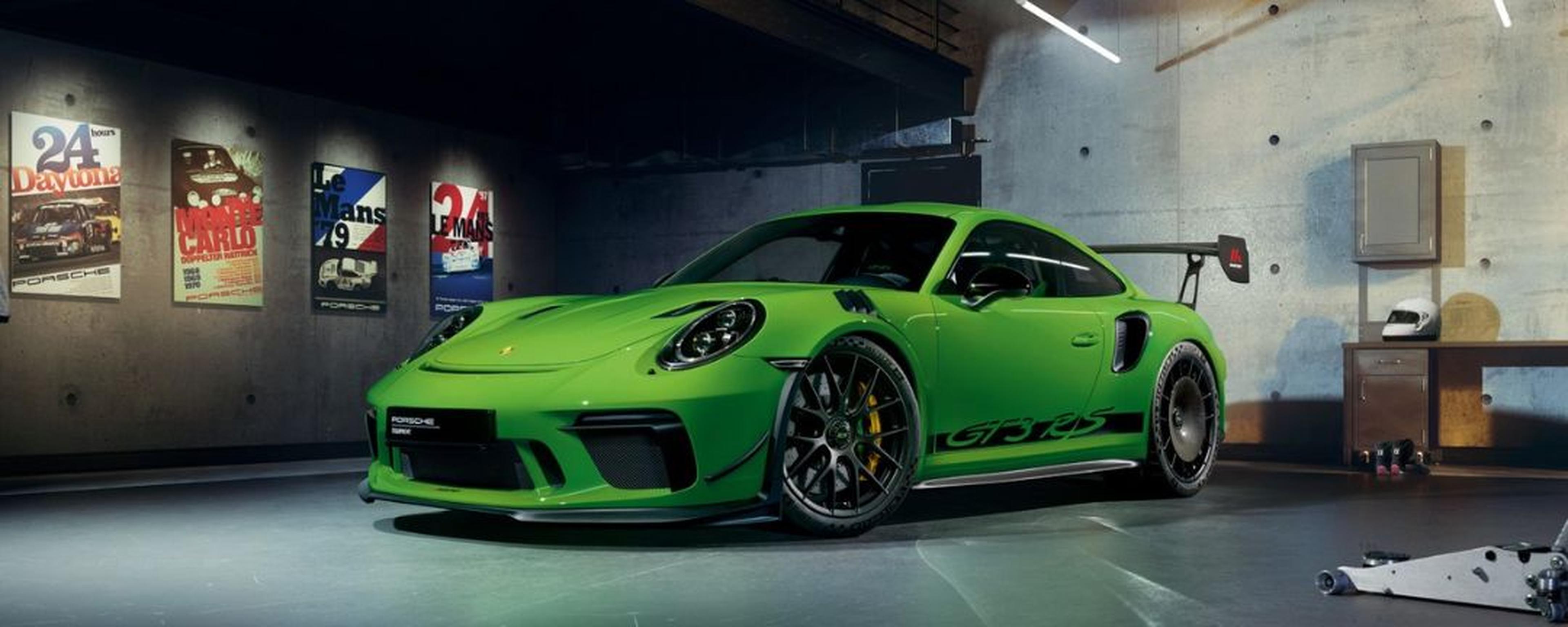
Winterizing a Porsche 911 or Cayenne in North Texas requires adjusting tire pressures for ambient temperature drops, transitioning away from summer-compound tires before freezing weather hits, connecting a Porsche-compatible lithium maintainer for parked vehicles, and inspecting battery health and coolant protection levels. Proper preparation prevents thermal compound damage and protects sensitive electronic architecture during sudden regional cold snaps.
North Texas weather presents a unique challenge for high-performance automobiles. Mild afternoon sunshine can drop 30 degrees by sunrise, causing rapid pressure loss inside sports car tires and exposing summer rubber compounds to damaging sub-freezing temperatures. For clients driving a 911 or Cayenne around Aledo, where open terrain and rolling elevation changes accelerate frost accumulation on road surfaces, proactive winterization ensures your vehicle delivers the precise handling and safety engineered into every model.
Preparing a Porsche for winter varies based on how the vehicle is used. A daily-driven Cayenne SUV demands fluid checks, wiper blade replacements, and battery system diagnostic checks to tackle cold morning starts and wet road conditions. Conversely, a 911 sports car that may sit in a climate-controlled garage during extended cold stretches requires fuel system preservation, tire flat-spot mitigation, and specific electrical maintenance.
Our factory-trained technicians at Autobahn Porsche Fort Worth inspect every critical subsystem, from factory-specified antifreeze protection levels to Porsche-approved cold-weather tire fitments. You can visit our Fort Worth location or give our team (817) 663-1281 a call to review your winter care plan.
What Are the Risks of Driving Porsche Summer Tires Below 45 Degrees?
Driving Porsche summer performance tires in temperatures below 45°F severely degrades mechanical grip, hardens the tread rubber compound, and risks permanent tread face cracking. At temperatures approaching freezing, ultra-high-performance summer rubber undergoes glass transition, changing from a pliable, elastic state into a rigid material with minimal traction on cold pavement.
The specialized rubber compounds engineered for Porsche N-spec summer tires rely on ambient heat to achieve maximum grip. When exposed to temperatures below 45°F, these compounds lose flexibility. Driving on cold asphalt reduces braking effectiveness and high-speed stability. If summer tires are driven or stored in sub-freezing conditions, internal compound stresses can cause deep surface fractures across the tread blocks. Tire manufacturers consider compound cracking structural damage caused by improper thermal exposure, meaning it is not covered under standard tire warranties.
Staggered tire configurations on sports cars like the 911 Carrera Cabriolet, which utilizes 235/40ZR19 front and 295/35ZR20 rear tires, require dedicated winter or all-season tread designs engineered specifically for cold road contact. Fitting cold-weather tires maintains optimal contact patches and protects your high-performance wheel investments.
Clients looking to outfit their Porsche with factory-approved winter wheel and tire packages can order components directly through our OEM Porsche parts center. If you are contemplating updating your vehicle before the season changes, our experts can also assist in evaluating your trade-in options.
Why Standard AGM Chargers Can Damage Porsche Lithium Batteries
Using a standard lead-acid or AGM battery charger on a Porsche lithium-ion starter battery can permanently damage the integrated Battery Management System and destroy the internal cell architecture. Standard battery chargers utilize high-voltage desulfation pulses and absorption algorithms designed for lead plates, which trigger safety lockouts or burn out sensitive lithium control electronics.
Modern Porsche models, including selected 911 chassis and high-performance Cayenne variants, use lightweight 12-volt lithium-iron-phosphate (LiFePO4) starter batteries. These batteries feature an internal Battery Management System that constantly monitors cell balance, voltage thresholds, and internal temperatures. Standard AGM chargers often supply charging spikes above 14.8 volts or send high-frequency recovery pulses intended to clear lead-sulfate buildup. When exposed to these signals, the internal circuit opens to protect the battery, causing the vehicle's electrical gateway to register a total power failure.
Charging or maintaining a Porsche lithium battery requires a specialized smart maintainer with a dedicated lithium charge profile. These maintainers deliver a regulated voltage output, continuous monitoring, and microamp wake-up signals that keep the integrated circuit active without overheating the cell modules. Utilizing improper charging equipment risks complete battery failure, requiring costly replacement of the entire lithium assembly.
Is Porsche Carrera 4 AWD Necessary for Winter Driving?
While rear-wheel-drive Porsche 911 models handle dry North Texas winter days capably on proper tires, the Porsche Traction Management all-wheel-drive system on Carrera 4 models provides superior stability on wet highways, icy overpasses, and slick road transitions. All-wheel drive dynamically distributes engine torque between the front and rear axles in milliseconds to maintain forward momentum.
The Porsche Traction Management system uses an electrohydraulically controlled multi-plate clutch to continuously monitor wheel speeds, steering angle, and lateral acceleration. In dry conditions, system bias favors the rear wheels for classic 911 dynamic feel. When front sensors detect rear traction loss caused by morning frost or localized ice patches—common on elevated roadways around Aledo—torque transfers instantly to the front axle to stabilize the chassis.
All-wheel drive assists with acceleration and directional poise on compromised surfaces, but total winter stopping distance remains determined by tire rubber compound. A rear-wheel-drive 911 fitted with cold-weather tires will stop shorter on sub-freezing pavement than an all-wheel-drive Carrera 4 equipped with hardened summer tires. Combining Porsche Traction Management with cold-rated tires provides the ultimate confidence for winter driving.
What Essential Winter Maintenance Does a Porsche Cayenne or E-Hybrid Need?
Essential winter maintenance for a Porsche Cayenne includes testing battery cold-cranking capacity, setting tire pressures for low ambient temperatures, checking coolant antifreeze protection levels, and inspecting wiper blades. For Cayenne E-Hybrid models, pre-conditioning the high-voltage battery while connected to grid power preserves electric driving range and optimizes cabin climate efficiency.
For drivers utilizing a Cayenne for family duties across Aledo, winter maintenance centers on vehicle dependability. Cold weather causes ambient air inside tires to compress, lowering pressure by roughly 1 psi for every 10-degree drop in temperature. Maintaining factory cold pressures ensures even tire wear and preserves listed fuel economy, such as the 17 mpg city and 23 mpg highway rated on Cayenne AWD models.
Maintenance Area | Inspection Item | Cold Weather Action |
Battery System | State of charge & BMS readout | Verify cold-cranking capacity & cell health |
Cooling System | Antifreeze concentration | Test fluid to guard against freezing down to sub-zero temps |
Tires & Wheels | Cold pressure & tread depth | Adjust for thermal loss; check for N-spec rating |
E-Hybrid System | Pre-conditioning setup | Configure My Porsche app timers on grid power |
Cayenne E-Hybrid owners can maximize winter performance using high-voltage pre-conditioning. Activated via the My Porsche application while the vehicle is plugged into a wall charger, this process draws grid electricity to pre-warm the traction battery and cabin internal heat exchangers. Operating the high-voltage battery at its optimal thermal window prevents rapid range depletion during initial acceleration in cold weather.
How Do You Prepare a Porsche 911 for Extended Winter Storage?
Preparing a Porsche 911 for extended winter storage involves filling the fuel tank completely to prevent vapor space condensation, connecting an approved Porsche lithium maintainer, over-inflating tires slightly to prevent flat spots, and disengaging the electronic parking brake. These steps protect mechanical components, electrical systems, and tire structures during idle months.
Temperature swings inside storage environments encourage moisture condensation inside partially empty fuel tanks. Filling the tank with premium fuel minimizes oxygen exposure and protects internal fuel pumps. Connected to a wall outlet, an authorized Porsche smart maintainer keeps standby electronics powered without cycling the battery excessively.
Storage Preparation Step | Recommended Action | Technical Purpose |
Fuel System | Fill tank with fresh premium fuel | Eliminates air space to prevent internal tank condensation |
Battery Maintenance | Attach Porsche-approved maintainer | Keeps standby control modules active without battery drain |
Tire Care | Increase cold pressure by 3–5 psi | Prevents permanent carcass flat-spotting on concrete floors |
Brake System | Chock wheels; release parking brake | Prevents brake pads from rusting to rotor surface faces |
To preserve tire shape, inflate tires 3 to 5 psi above standard cold inflation values. Releasing the parking brake prevents the pad material from adhering to the brake rotors over time. When taking out a 911 Carrera Cabriolet after winter storage—a model offering 18 mpg city, 25 mpg highway, and 21 mpg combined and equipped with optional heated front seats and a heated steering wheel—a well-maintained vehicle starts immediately and runs cleanly.
Frequently Asked Questions About Porsche Winter Care
Q: Can I jump-start a dead Porsche lithium battery with a standard booster pack?
No, using a generic high-output jump booster on a Porsche lithium starter battery can damage the internal circuit board. If the internal circuit opens due to low voltage protection, the battery requires a specialized low-current wake-up signal from an authorized Porsche maintainer or service tool to reset the gate. Connecting unregulated booster packs risks sending voltage spikes that destroy the system.
Q: How does cold ambient temperature affect recommended tire pressure in my Porsche?
Tire pressure drops approximately 1 psi for every 10°F decrease in ambient temperature. When cold weather arrives, tire pressure monitoring systems often trigger warnings because air volume shrinks inside the tire cavity. Pressures should always be set when tires are cold and adjusted according to the tire inflation placard located on the door pillar.
Q: What should I do if my Porsche Cayenne tire pressure monitoring system turns on during a cold freeze?
Check tire pressures with an accurate pressure gauge once the vehicle has been parked for at least three hours. Inflate the tires to the recommended cold inflation pressures listed on your door jamb, rather than relying on warm readings after driving. Once set, reset the pressure monitor in the Porsche Communication Management screen.
Q: Is undercarriage washing necessary after a North Texas winter storm?
Yes, municipal road crews occasionally apply liquid de-icing brine or sand mixtures on bridges and overpasses before winter freezes. Road salts and anti-icing chemicals accelerate surface oxidation on aluminum suspension linkages, exhaust hardware, and underbody fasteners. Rinsing the undercarriage with fresh water after icy road exposure removes corrosive residues.
Q: What emergency assistance does Porsche provide if my car stalls in cold weather?
Every new and Certified Pre-Owned Porsche includes coverage through Porsche Roadside Assistance at 1-800-767-7243. Available 24 hours a day, 365 days a year across North America, services include flatbed towing by trained operators, battery jump-starting using approved equipment, flat tire assistance, and lockout support. Please note this coverage is for a limited time after your purchase.
Schedule Certified Porsche Winter Care
Proper winter maintenance preserves the engineering excellence, road handling, and mechanical longevity built into your Porsche. Whether you need a pre-winter multi-point inspection, a factory-approved lithium battery maintainer, or cold-weather N-spec tire installation, our team provides tailored service, tailored to your vehicle's specifications.
Our factory-certified technicians utilize specialized diagnostic tools, OEM parts, and brand-specific expertise to ensure your 911 or Cayenne remains in optimal operating condition through every season.
To schedule your winter service appointment or discuss cold-weather storage solutions, stop by our Fort Worth location or speak directly with an expert advisor at Autobahn Porsche Fort Worth by calling (817) 663-1281.
© 2026 Autobahn Porsche Fort Worth. All rights reserved.